
We live in an increasingly noisy world. From home-recorded podcasts to corporate open spaces, and gaming to home theaters—room acoustics are no longer just a detail. They’re a vital part of the experience. This is where acoustic panels come in: essential tools for treating sound inside a room.
First Things First: Let’s Debunk the “Soundproof” Myth
It’s a common belief that sticking a few foam panels on the wall is enough to “soundproof” a room. In reality, this is one of the most widespread misconceptions: acoustic treatment and soundproofing are two very different things.
- Soundproofing means preventing sound from entering or leaving a space. It’s a structural and architectural matter: double walls, decoupled partitions, dense materials like specialty drywall or Mass Loaded Vinyl (MLV), and perfectly sealed doors and windows are required to achieve real sound isolation
- Acoustic panels, on the other hand, do not stop sound from passing through walls. They’re designed to improve how sound behaves within a room by absorbing sound waves and reducing reflections, resonance, and excessive reverberation.
What do acoustic panels actually do?
Acoustic panels are designed to improve the internal sound environment, making listening (or recording) clearer and more natural. They work through two main principles:
- Absorption: Panels absorb part of the sound energy, turning it into heat via friction within porous materials (like mineral wool or fiberglass). This reduces reflections and excessive reverb, resulting in more controlled sound.
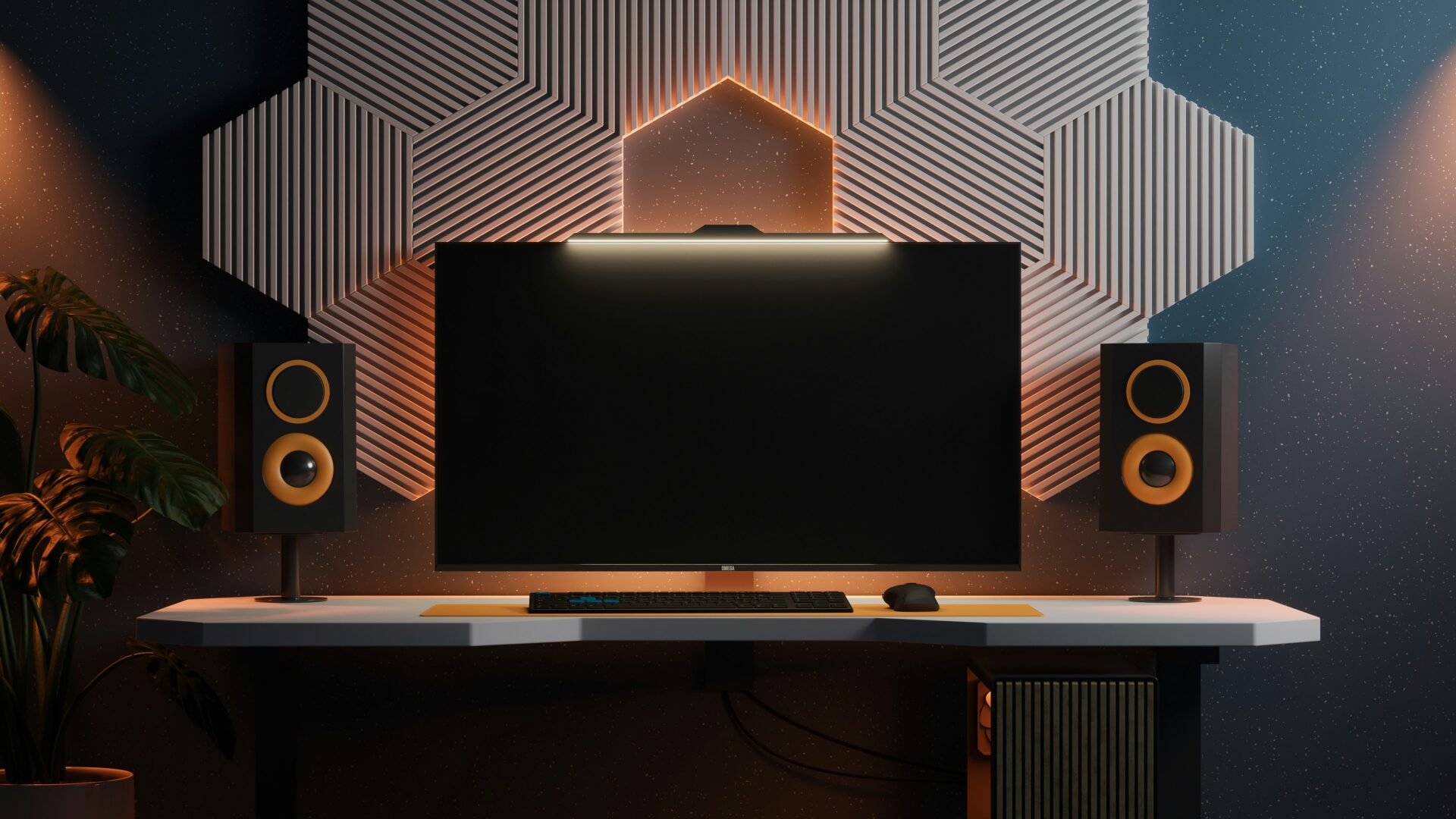
- Diffusion (in some panels): Rather than absorbing sound, these elements scatter it more evenly, which is especially useful in music rooms or home theaters.
A room with no acoustic treatment is like an empty basketball court: every sound bounces from wall to wall, creating echo, confusion, and poor definition. This affects everything—from Zoom call audio to the clarity of a music mix.
We published a full writeup about the differences between soundproofing vs acoustic treatment on our sister company site.
Why Panel Quality Matters—a Lot!
Not all acoustic panels are created equal. And the difference between cheap products and professional-grade panels can be dramatic, even if they look similar at first glance.
Many low-cost panels sold online are made from foam and uncertified. They may look appealing—pyramid shapes or bright colors—but their real effectiveness is limited to high or mid-high frequencies, leaving the low end (where voice, impact noise, and bass instruments sit) untreated.
Quality panels, in contrast, are built with professional materials: high-density rock wool, fiberglass, or technical polyester and often wrapped in breathable, fire-resistant fabric. These effectively absorb even challenging frequencies; maintain long-term performance; and resist dust, humidity, and deformation.
Technical Guide: How to Evaluate Acoustic Panels
When choosing acoustic panels, pay attention to these criteria:
- Thickness: Panels under 1 cm are decorative, not functional. Effective acoustic panels start at 2 cm, with the best ones reaching 4 cm or more for low-frequency treatment (bass traps).
- Noise Reduction Coefficient (NRC): This ranges from 0 to 1 and indicates how much sound the panel absorbs. Cheap panels often have an NRC of 0.3–0.5. Professional ones exceed 0.85 or even 0.95.
- Right Materials: High-quality panels are fire-rated (ASTM E84) and built to last.
- Material density: Materials that are too light don’t absorb effectively.
Beware of the Placebo Effect
The biggest risk of buying cheap panels is the placebo effect: it feels like you’ve improved the acoustics, but the room still sounds empty, harsh, and uncontrolled.
Without proper treatment:
- Recordings sound tinny or metallic
- Video calls echo
- Music lacks clarity
- Listeners fatigue faster (Yes, reverberation is mentally exhausting—studies on acoustic fatigue in work and learning environments confirm it.)
So when do you actually need acoustic panels?
- In home studios or podcast rooms: for clean mixes, clear vocals, and fewer reflections
- In open-plan offices: to improve speech privacy and reduce background noise
- In classrooms or meeting rooms: to enhance speech clarity and reduce cognitive fatigue
- In home theaters, rehearsal rooms, restaurants, libraries, and more
Why Making the Right Choice Pays Off
When you invest in acoustic panels, you’re not just improving sound—you’re transforming how a space feels and functions. You don’t have to break the bank, but you do need to avoid falling for too-good-to-be-true deals promising “soundproofing” with a few dollars of foam.
If you’re looking for truly professional acoustic panels built with the right materials and designed for long-term high performance, check out the Better Sound product line. You’ll find solutions tailored to any space—from home setups to large public environments—with expert support and custom options available.
Because great sound … starts with a great panel!
Talk to us to learn more.