

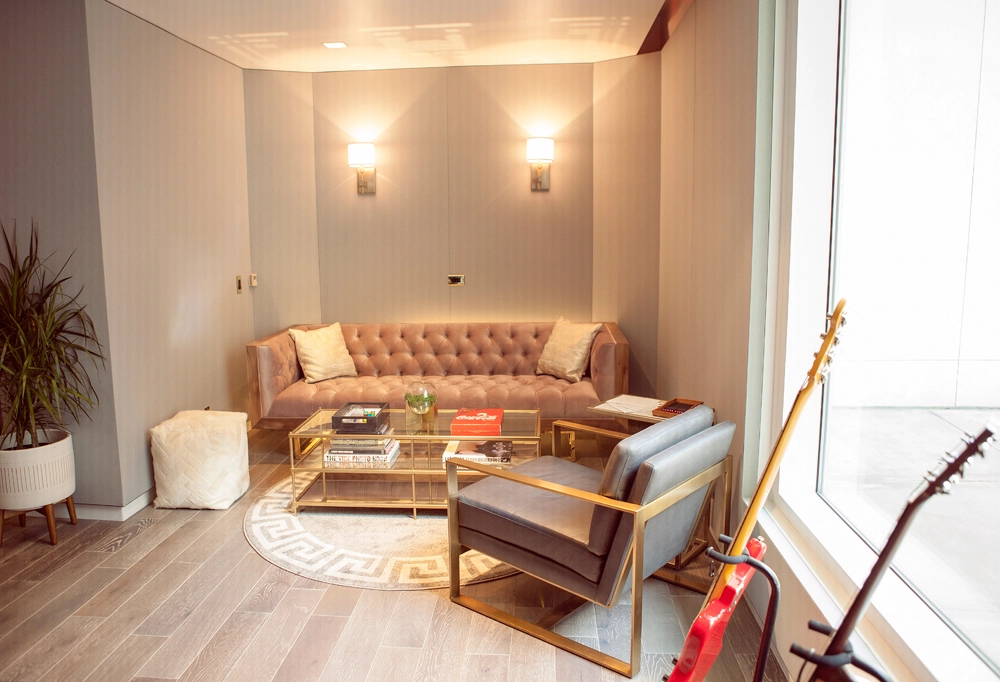
A great-sounding room starts with thoughtful design. But as we look toward 2027, the materials we use and the way we approach acoustics are becoming just as important as the final sound.
From recording studios and podcast rooms to offices and creative spaces, acoustic design is moving toward more sustainable materials, flexible solutions, and better integration with architecture.
The most interesting acoustic trends for 2027 reflect a growing interest in creating spaces that sound good, look good, and make practical sense over time.
Here’s what that means for anyone planning a new space or improving an existing one.
1. Sustainable Acoustic Materials Are Getting More Attention
Sustainability is becoming an increasingly important consideration when choosing building materials, and acoustic treatment is part of that conversation.
Traditional acoustic panels can provide excellent sound absorption, but buyers are also exploring options that incorporate recycled content, responsibly sourced materials, and lower-impact manufacturing processes.
Some materials worth watching include:
- Recycled PET Fibers: Made from recycled polyester, these can be manufactured into sound-absorbing panels and decorative acoustic products.
- Natural Fibers: Wool, hemp, and other plant-based materials are being explored for their acoustic properties and renewable origins.
- Responsibly Sourced Wood: Wood can be used in acoustic panel frames, slatted systems, and other architectural elements when combined with suitable sound-absorbing materials.
However, sustainable acoustic materials aren’t automatically better performers.
Their effectiveness depends on factors such as thickness, density, installation, and the frequencies they are designed to absorb.
Environmental performance also deserves careful evaluation. The EPA’s Sustainable Materials Management approach emphasizes considering materials throughout their life cycle, from production to disposal.
For acoustic products, that means looking beyond recycled content to consider durability, manufacturing, and eventual replacement.
2. Acoustic Performance Still Comes First
One of the most important acoustic design trends for 2027 is a greater emphasis on combining environmental considerations with measurable performance.
A panel may be made from recycled materials and have an attractive finish, but will it actually improve the sound of your room?
That’s where acoustic testing becomes useful.
The Noise Reduction Coefficient (NRC) is commonly used to describe a material’s average sound absorption performance across selected frequencies.
Testing methods such as ASTM C423 provide a standardized way to measure sound absorption in a reverberation room.
However, NRC doesn’t tell the whole story.
Two panels with similar NRC ratings may perform differently at individual frequencies, particularly in the lower range.
For recording studios and critical listening environments, frequency-specific absorption data can be more informative than a single number.
Before purchasing acoustic treatment, consider:
- The frequencies causing problems in your space.
- The panel’s tested absorption performance.
- Whether additional thickness or specialized bass treatment is needed.
- How the treatment will be positioned and installed.
A sustainable product is a stronger investment when it also delivers the acoustic performance your room requires.
3. Smart Sound Design Starts With Understanding the Room
The word smart often brings technology to mind. In acoustic design, however, some of the smartest improvements come from understanding how sound behaves before installing anything.
Every room has its own acoustic characteristics.
Sound reflects from walls, ceilings, floors, windows, and furniture. Depending on the room’s dimensions and surfaces, those reflections can create excessive reverberation, uneven bass response, or reduced clarity.
As Genelec explains in its room acoustics guide, surfaces can absorb, reflect, or diffuse sound, and effective acoustic design often involves a combination of these behaviors.
For example, a podcast studio with large windows might experience distracting reflections that affect vocal recordings.
A home mixing room may have low-frequency buildup that makes bass decisions difficult.
An open-plan office might struggle with excessive reverberation, making conversations harder to follow.
Each situation requires a different approach.
Rather than covering every available wall with acoustic panels, thoughtful sound design focuses treatment where it can make the greatest difference.
4. Acoustic Treatment Is Becoming Part of Interior Design
Acoustic panels don’t have to look like technical equipment.
One direction likely to remain important in 2027 is the integration of acoustic treatment into the overall visual design of a room.
Fabric-wrapped panels, custom colors, geometric arrangements, and architectural acoustic elements can help treatment complement the surrounding space.
This is particularly relevant for commercial environments where appearance matters as much as functionality.
Consider a creative agency with an open workspace.
Carefully selected wall panels and ceiling-mounted acoustic treatments can help control reflections while supporting the company’s visual identity.
In a home recording studio, fabric finishes can complement furniture, lighting, and wall colors without compromising the room’s professional character.
The key is choosing materials and designs that deliver suitable acoustic performance.
A decorative surface alone won’t necessarily provide meaningful sound absorption.
5. Flexible Spaces Need Flexible Acoustic Solutions
Many rooms now serve more than one purpose.
A spare bedroom might function as a home office during the day and a podcast recording space in the evening.
A commercial studio might accommodate music production, voiceovers, video interviews, and livestreaming.
This creates an interesting challenge: different activities can benefit from different acoustic conditions.
For example, spoken-word recording generally benefits from controlled reflections and clear, intelligible sound.
Music production requires accurate monitoring and careful low-frequency management.
Flexible acoustic design considers these needs from the beginning.
Depending on the space, useful solutions may include strategically positioned wall panels, ceiling treatment, and movable acoustic elements.
Modular treatment can also make future changes easier when equipment, furniture, or room usage evolves.
The goal is to create a room that remains practical as its requirements change.
6. Better Speaker Placement & Acoustic Planning
Smart sound design also means getting more from the equipment you already own.
Before investing in additional monitors or recording gear, it’s worth examining your listening position and speaker placement.
Small changes can sometimes produce noticeable improvements.
According to Genelec’s studio monitor placement guide, monitor positioning and room acoustics both influence what listeners hear.
Poor placement can contribute to uneven frequency response and inaccurate stereo imaging.
For a typical stereo mixing setup, practical considerations include maintaining appropriate speaker symmetry, positioning monitors at a suitable height, and evaluating how the listening position interacts with room resonances.
Professional acoustic treatment can then address reflections and unwanted sound energy that positioning alone cannot resolve.
This combination of planning and physical treatment remains essential for reliable monitoring.
7. Long-Term Value Will Matter More
Sustainability also involves making choices that last.
A well-designed acoustic treatment system should continue performing effectively as a space evolves.
That makes durability, installation quality, and adaptability important considerations.
For example, choosing professionally manufactured panels with documented performance can help avoid repeated purchases of products that don’t address the room’s actual problems.
Planning treatment early in a renovation or studio build can also reduce unnecessary modifications later.
And when acoustic requirements change, modular or reusable panels may offer more flexibility than permanently integrated solutions.
The most practical approach is to evaluate the room’s needs before choosing materials, finishes, or installation methods.
Building Better-Sounding Spaces in 2027
The acoustic trends shaping 2027 point toward a thoughtful combination of sustainable materials, measurable performance, and intelligent room design.
Recycled and renewable materials offer interesting possibilities, while flexible acoustic solutions and better architectural integrations make professional treatment more accessible to different environments.
But the fundamentals remain the same: understanding your room, identifying acoustic problems, and choosing treatment that addresses them effectively.
For anyone planning a recording studio, podcast room, home workspace, or commercial environment, those principles are worth prioritizing.
Explore our professional acoustic solutions or contact the team for help choosing acoustic treatment that fits your space, sound requirements, and design goals.